
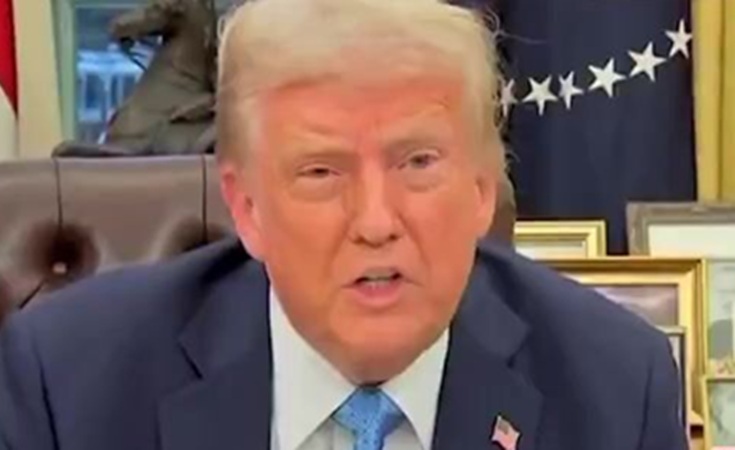
Trump Announces Capture of Nicolás Maduro
In a significant development, former President Donald Trump provided updates regarding the operation conducted by U.S. special forces that resulted in the arrest of Venezuelan leader Nicolás Maduro and his wife, Cilia Flores. During a press conference held at Mar-a-Lago, Trump praised the meticulous planning and execution of the mission, indicating a marked shift in U.S. foreign policy toward decisive action against authoritarian regimes.
Details of Operation Absolute Resolve
Trump described the operation, named “Operation Absolute Resolve,” highlighting the collaboration between U.S. special forces and federal law enforcement agencies. He noted that the mission employed a combination of air, land, and sea assets, suggesting a large-scale operation rarely seen since World War II.
“Overwhelming American military power was used to launch a spectacular assault,” Trump stated. He further emphasized that all Venezuelan military forces were incapacitated, ensuring the safety of U.S. personnel, with no American service members harmed and no military equipment lost during the operation.
U.S. Responsibility in Venezuela Post-Capture
Following the capture of Maduro, Trump declared that the United States will assume control of Venezuela until a stable and secure transfer of power can take place. He mentioned that U.S. oil companies would play a crucial role in revitalizing Venezuela’s oil infrastructure, committing to significant investment aimed at restoring broken systems and generating revenue for the nation.
“We are going to have our very large United States oil companies go in, spend billions of dollars, fix the badly broken oil infrastructure and start making money for the country,” he added.
In the event of resistance from Venezuelans, Trump suggested that a larger attack could be organized if necessary. He articulated his intention to foster an environment of prosperity and safety, stating, “We want peace, liberty, and justice.”
Significance of the Operation
Trump’s announcement is set against a backdrop of historical events occurring on January 3, which is notable in U.S. foreign policy. The date marks the surrender of Panamanian leader Manuel Noriega in 1989 and the elimination of Iranian military leader Qassem Soleimani in 2020, underscoring the potential lasting impact of decisive military actions on international relations.
During the press conference, Trump also shared the first image of Maduro in custody aboard the USS Iwo Jima, reinforcing the dramatic nature of the operation.
This operation has stirred diverse reactions in American political circles, especially among Democrats who view such decisive military action as controversial. As U.S. foreign policy evolves, the implications of this operation will be closely monitored both domestically and internationally.
In highlighting the importance of American military power, Trump’s statements reflect a broader strategic approach that seeks to redefine U.S. engagement in Latin America and beyond, clearly marking a transition from previous administrations’ strategies that favored diplomatic resolutions over military intervention.