
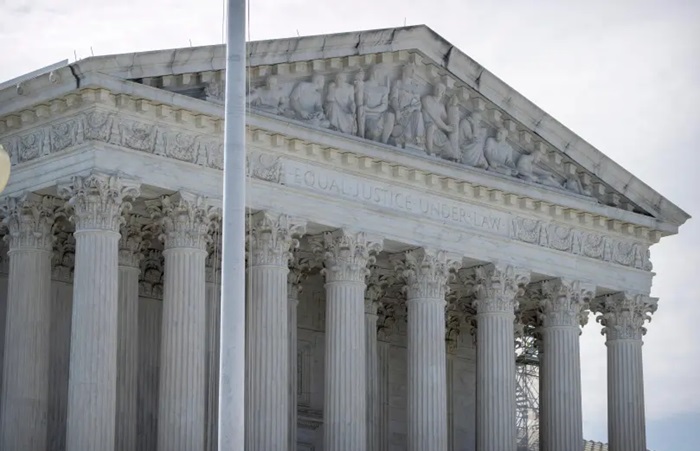
Overview of Recent Supreme Court Rulings
On June 21, 2024, the Supreme Court released a series of important decisions that have sparked considerable conversation. These rulings touch on various aspects of law and have potential implications for future cases and legislation.
Texas v. New Mexico
In the case of Texas v. New Mexico, the Supreme Court upheld objections raised by the U.S. government against a consent decree regarding the allocation of water from the Rio Grande. This decision impacts the ongoing legal and regulatory framework surrounding water rights between the two states, reflecting the complexities involved in interstate water disputes.
Department of State v. Munoz
Another significant ruling came in Department of State v. Munoz, where the Court ruled in a 6-3 decision that a citizen does not possess a fundamental liberty interest in ensuring the admission of their noncitizen spouse into the United States. This decision could have ramifications for immigration law and the rights of citizens in family-related immigration cases.
Erlinger v. United States
The Supreme Court also weighed in on criminal law in the case of Erlinger v. United States. The ruling clarified that under the Armed Career Criminal Act, judges are to apply a preponderance-of-the-evidence standard when determining if offenses occurred on separate occasions. This ruling could affect how previous convictions are evaluated in future cases involving repeat offenders.
Smith v. Arizona
In Smith v. Arizona, the Court addressed evidentiary issues. The ruling established that when an expert conveys statements from an absent lab analyst that bolster the expert’s opinion, these statements are considered evidence for their truth. This ruling implicates Sixth Amendment rights, particularly concerning the confrontation clause, which protects a defendant’s right to challenge evidence presented against them.
United States v. Rahimi
Finally, in United States v. Rahimi, the Supreme Court rejected a challenge questioning the constitutionality of a federal law prohibiting gun possession for individuals subject to domestic violence restraining orders. This ruling reinforces the government’s authority to regulate firearm possession in specific circumstances, thus contributing to the ongoing dialogue surrounding gun control laws.
The decisions made by the Supreme Court on June 21, 2024, reflect a range of legal interpretations that will influence not only the cases that follow but also public policy and the legal landscape in the United States. Legal experts and citizens alike will be closely monitoring the impact of these rulings.